
Inside Heavy-Duty Collision Repair: What Happens After a Truck Accident
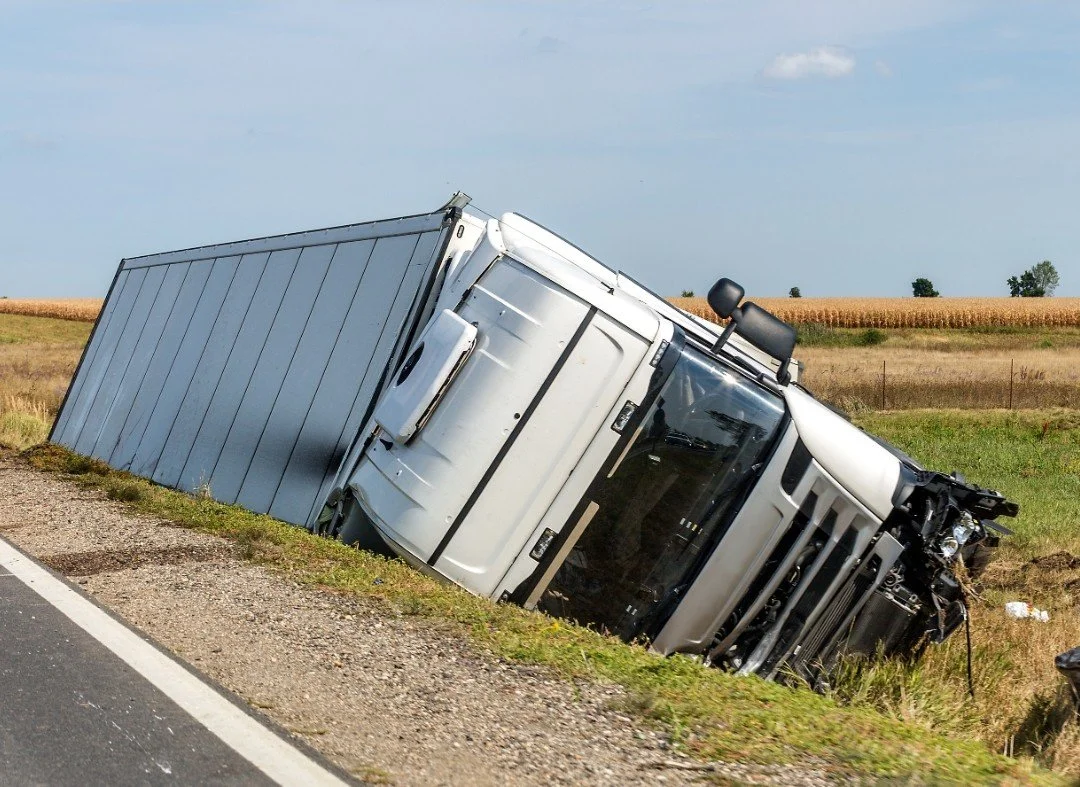
Truck after an accident
A truck accident does not end when the vehicle leaves the roadway. For fleets and owner-operators, the real recovery process begins at the repair facility - where safety, compliance, structural integrity, and operational timelines all come into play. Heavy-duty collision repair is far more complex than cosmetic bodywork. It is a structured, multi-stage process designed to return the vehicle to manufacturer specifications and safe operating condition.
Below is a practical look at what happens behind the shop doors after a truck accident.
1. Initial Intake and Damage Assessment
Once the vehicle arrives, technicians perform a full intake inspection. This step goes far beyond visible damage. Shops evaluate:
Structural components (frame rails, crossmembers)
Steering and suspension systems
Brake and air systems
Electrical wiring and sensors
Cooling and engine-mounted components
Cab mounting points and safety systems
Commercial vehicles must remain in safe operating condition under federal inspection and maintenance requirements, including frame and steering components that directly affect safety, as outlined in FMCSA inspection and maintenance regulations.
2. Insurance Documentation and Repair Planning
Before repair work begins, detailed documentation is prepared for insurance carriers and fleet records. This typically includes:
Photo documentation of all damage
Written damage reports and repair estimates
Parts replacement lists
Labor and equipment requirements
Structural measurement reports (if frame damage is suspected)
Accurate repair documentation also supports compliance with required maintenance and repair recordkeeping standards under federal trucking maintenance rules.
Read more what FMCSA’s truck maintenance recordkeeping require here
3. Structural and Frame Correction
If the truck’s frame or structural components were affected, the vehicle is placed on specialized frame-alignment equipment. Using laser or computerized measuring systems, technicians:
Compare frame geometry to OEM specifications
Correct misalignment through controlled hydraulic adjustments
Verify measurements throughout the repair process
Structural integrity plays a direct role in vehicle crash performance and occupant protection, which is the focus of ongoing NHTSA crashworthiness research and safety standards.
4. Mechanical and System Repairs
After structural integrity is restored, technicians address mechanical damage caused by the collision. This may involve:
Suspension replacement or alignment
Steering component repairs
Brake system restoration
Air-line and air-tank repairs
Cooling system replacement
Sensor recalibration and electrical repairs
Modern heavy-duty trucks rely on multiple integrated systems, and even minor collision damage can require recalibration to ensure safe operation.
5. Bodywork, Cab Repair, and Refinishing
Once structural and mechanical systems are restored, cosmetic and cab repairs begin. This includes:
Panel replacement or repair
Cab straightening
Door and hood alignment
Paint refinishing and corrosion protection
Decal and marking restoration
While cosmetic work is the most visible stage, it is typically the final step - not the primary focus - of heavy-duty collision repair.
6. Final Inspection and Return-to-Service Verification
Before release, the vehicle undergoes a full post-repair inspection to confirm:
Structural measurements meet specification
Mechanical systems operate correctly
Safety-critical components are fully restored
Road testing confirms drivability and braking performance
Required documentation is completed for fleet or insurance records
Federal regulations require carriers to maintain inspection and crash records as part of their ongoing safety compliance responsibilities. Read more here
Why Proper Collision Repair Matters
Heavy-duty trucks operate under extreme load, long-distance duty cycles, and strict safety requirements. Incomplete or rushed collision repairs can lead to recurring failures, compliance risks, and higher long-term operating costs. A structured repair process ensures the vehicle returns to the road not just looking repaired - but operating safely and reliably.
At Sounders Truck Repair, collision repair is handled as a full restoration process, combining structural measurement, mechanical expertise, and insurance-ready documentation to help fleets return equipment to service with confidence.