
Common Mistakes Fleets Make After a Truck Accident
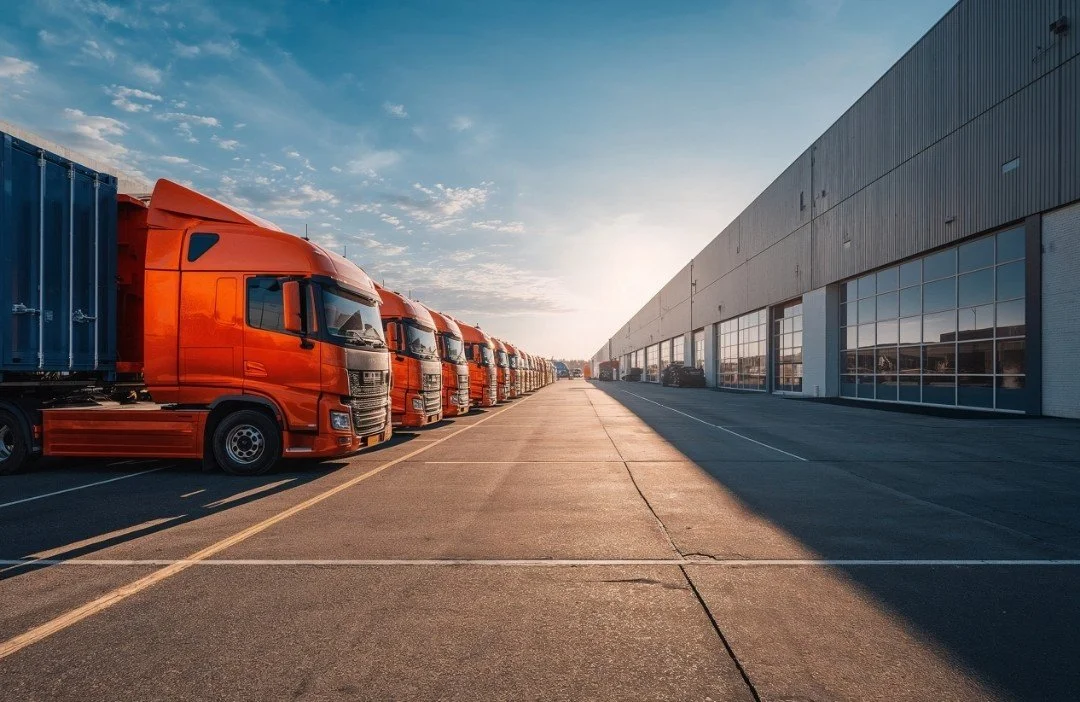
A truck accident does not end at the scene.
For fleets, the real financial and operational impact begins afterward.
Downtime, compliance exposure, hidden structural damage, and rushed repair decisions can turn one incident into long-term losses. While accidents are sometimes unavoidable, many of the costly consequences that follow are preventable.
Below are the most common mistakes fleets make after a truck accident - and how to avoid them.
1. Delaying a Full Damage Assessment
One of the biggest mistakes fleets make is assuming visible damage tells the whole story.
After a collision, structural components such as frame rails, suspension geometry, steering systems, and brake assemblies may be compromised - even if the truck appears drivable.
According to the Federal Motor Carrier Safety Administration (FMCSA), commercial motor vehicles must be maintained in safe operating condition at all times under federal regulations Learn maintenance and inspection requirements directly through the FMCSA here
Skipping a comprehensive inspection can result in:
Steering instability
Brake imbalance
Premature tire wear
Structural fatigue
A professional heavy-duty collision inspection ensures the vehicle is restored to manufacturer specifications - not just cosmetically repaired.
2. Prioritizing Speed Over Proper Repairs
Downtime pressures often push fleets to approve fast repairs.
But rushed structural corrections, incomplete alignments, or missed recalibrations can lead to secondary failures.
The National Highway Traffic Safety Administration (NHTSA) emphasizes the importance of proper post-collision repair and vehicle integrity to maintain crashworthiness standards:
In heavy-duty vehicles, improper frame repair can:
Alter load distribution
Impact braking efficiency
Affect stability under highway conditions
Speed matters. But structural accuracy matters more.
3. Failing to Document Repairs Properly
After an accident, documentation protects fleets legally and operationally.
FMCSA regulations require systematic inspection, repair, and maintenance records for commercial vehicles. Learn more documentation requirements here
Without proper documentation, fleets risk:
Compliance violations
Insurance disputes
Increased liability exposure
Problems during DOT audits
Every repair should include detailed reporting, parts tracking, and inspection verification.
4. Ignoring Secondary System Damage
Accidents don’t only damage body panels and frames.
Secondary systems often affected include:
Air brake systems
Electrical wiring and sensors
Cooling systems
Suspension components
Brake system integrity is especially critical. The Commercial Vehicle Safety Alliance (CVSA) regularly reports that brake-related violations are among the most common issues found during inspections
Overlooking mechanical damage after a collision increases the risk of repeat breakdowns and out-of-service violations.
5. Sending the Truck Back to Service Too Soon
Before returning a truck to operation, fleets should confirm:
Road testing under load
Brake performance verification
Alignment confirmation
Sensor recalibration
Air and coolant system checks
According to FMCSA roadside inspection data, maintenance-related violations remain one of the leading causes of out-of-service orders.
Releasing a truck prematurely increases both safety risk and operational downtime.
6. Choosing the Wrong Repair Facility
Not every body shop is equipped for Class 7-8 commercial vehicles.
Heavy-duty repair requires:
Commercial-grade frame straightening equipment
Knowledge of DOT compliance standards
Understanding of federal inspection criteria
Access to heavy-duty OEM parts
Choosing a qualified repair facility reduces repeat failures, compliance exposure, and unnecessary downtime.
The Real Cost of Post-Accident Mistakes
A single accident can trigger:
Lost revenue
Higher insurance premiums
CSA score impact
Compliance violations
Repeat mechanical failures
But with proper post-accident procedures, fleets can minimize disruption and maintain long-term operational stability.
Bottom Line
A truck accident is already disruptive.
What determines the true cost is what happens next.
Delaying inspections, rushing repairs, ignoring documentation, or choosing the wrong repair facility can turn one incident into months of operational loss, compliance exposure, and repeat downtime.
If your fleet has experienced an accident, don’t settle for surface-level repairs.
Work with a facility that understands heavy-duty structural integrity, DOT compliance, and long-term operational impact.
Contact Sounders Truck Repair here to schedule a full post-accident evaluation and protect your fleet from preventable losses.