
How Fast Turnaround Impacts Fleet KPIs: Downtime, Cost per Mile, and CSA Scores
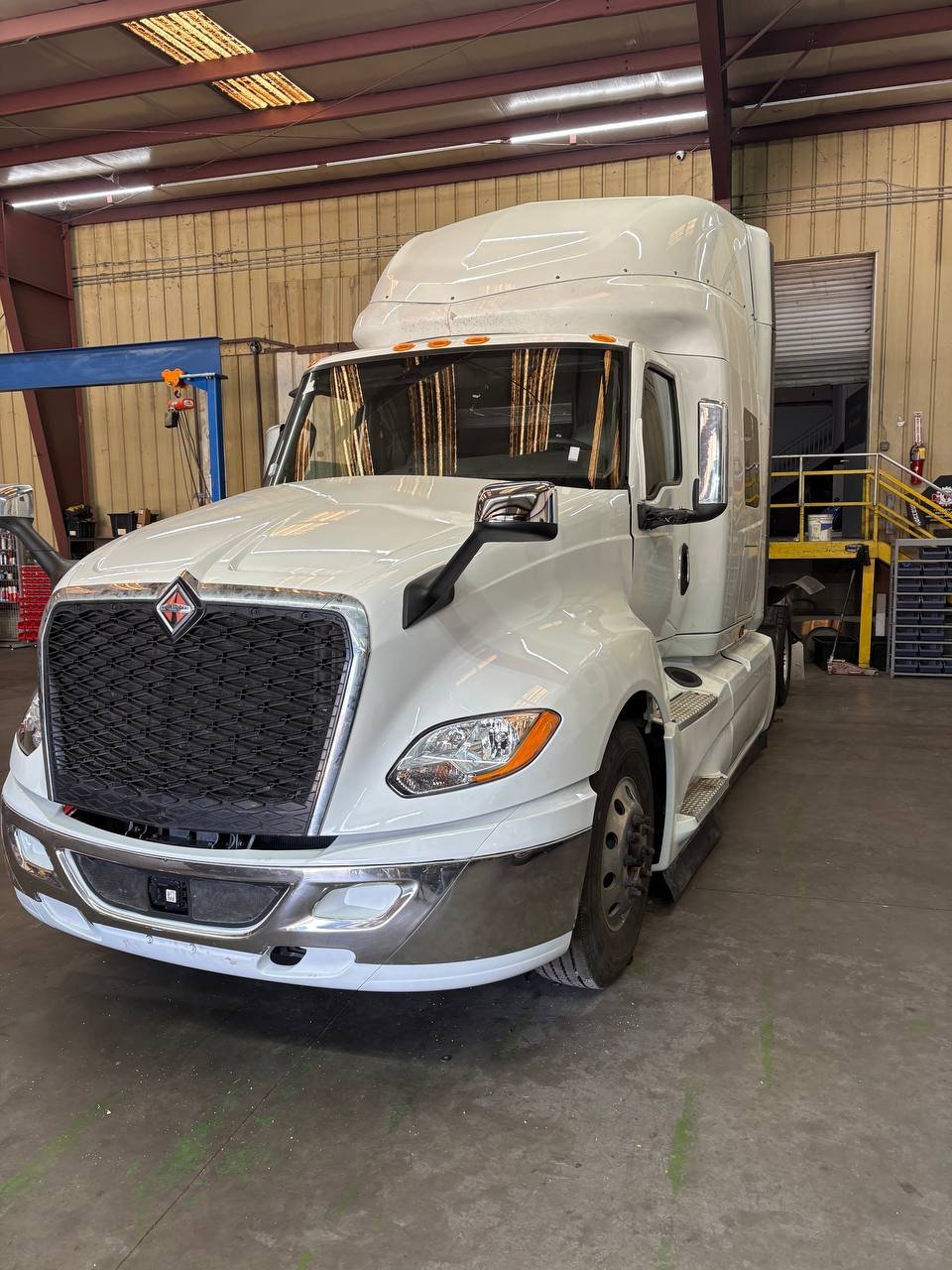
In fleet operations, time is a performance metric.
Every extra hour a truck spends in the shop quietly affects availability, operating costs, and safety compliance.
Fast turnaround in truck repair is not about rushing repairs. It is about structured speed, predictable processes, and understanding how repair time influences the KPIs fleet managers rely on every day.
Below is a clear breakdown of how turnaround time directly affects three core fleet KPIs:
Downtime
Cost per Mile
CSA Scores
Downtime: The Most Expensive Non-Revenue Metric
Downtime represents hours when a truck is unavailable for revenue service but still generating fixed costs such as insurance, payments, and depreciation.
According to data published by the American Transportation Research Institute, unscheduled maintenance remains one of the leading causes of lost productivity across U.S. fleets
Read more about
Extended repair timelines do not only delay one truck. They disrupt dispatch planning, reduce driver utilization, and increase pressure on spare units across the fleet.
Read more about how unscheduled maintenance impacts fleet downtime and productivity here
How Extended Repairs Increase Downtime
When repair timelines are unclear or stretched:
Dispatch plans are disrupted
Drivers remain idle or seek other work
Spare units are overused and fail sooner
Service commitments to customers are missed
What appears to be a single delayed repair often turns into operational disruption across the fleet.
Why Faster Turnaround Reduces Downtime
Repair facilities with disciplined workflows help fleets:
Reduce average out-of-service time per unit
Maintain predictable truck availability
Improve driver satisfaction and retention
Downtime is rarely solved by working harder. It is solved by working with structure.
Cost per Mile: Where Repair Speed Becomes a Financial Issue
Cost per Mile is one of the most closely monitored fleet metrics because it reflects real operational efficiency.
The Federal Motor Carrier Safety Administration emphasizes that equipment-related inefficiencies directly affect fleet operating costs and roadside performance.
Learn more here
How Slow Repairs Drive Up Cost per Mile
Extended repair cycles often result in:
Fixed costs spread across fewer revenue miles
Increased use of rental or backup equipment
Higher spending on expedited parts shipping
Deferred preventive maintenance that later becomes corrective
All of these factors inflate operating costs without improving fleet output.
How Efficient Turnaround Protects Cost per Mile
Faster, well-managed repairs allow fleets to:
Return trucks to service sooner
Maintain consistent mileage output
Avoid emergency breakdown-related expenses
Forecast maintenance costs more accurately
Repair speed has a direct relationship with cost stability.
CSA Scores: When Delayed Repairs Become a Compliance Risk
CSA scores are not determined by driver behavior alone. Maintenance quality and timing play a major role, particularly within the Vehicle Maintenance BASIC category.
FMCSA inspection statistics show that equipment defects remain one of the most common contributors to roadside violations and out-of-service orders
The Risk of Deferred Repairs
When repairs are delayed:
Temporary fixes remain in service too long
Known defects go unresolved before inspections
Roadside breakdowns become more likely
Out-of-service events increase
One failed inspection can undo months of compliance effort.
How Faster Repairs Support Better CSA Scores
Efficient turnaround helps fleets:
Address defects before inspections occur
Keep preventive maintenance schedules intact
Reduce out-of-service violations
Maintain stable CSA performance
Speed matters most when it is paired with quality control and documentation.
Fast Turnaround Does Not Mean Rushed Work
It is critical to distinguish between fast repairs and rushed repairs.
Professional repair facilities achieve faster turnaround through:
Structured diagnostics
Clear repair authorization processes
Coordinated mechanical and bodywork services
Planned parts sourcing
Experienced technicians following consistent standards
Rushed repairs create repeat failures.
Efficient repairs prevent them.
Why Fleet Managers Are Re-Evaluating Repair Partners
Industry reports from sources such as FleetOwner and FreightWaves show that fleet managers are placing greater emphasis on repair reliability and turnaround consistency rather than hourly labor rates alone
Modern fleets are asking:
How quickly can trucks return to service without repeat issues
How well does the shop understand fleet KPIs
How transparent is communication during repairs
How effectively does the shop support compliance goals
Repair providers are increasingly viewed as operational partners rather than vendors.
Read more about how maintenance efficiency is becoming a competitive advantage in the trucking industry here
How Sounders Truck Repair Supports Fleet KPIs
At Sounders Truck Repair, turnaround time is treated as an operational metric.
Our approach focuses on:
Efficient diagnostics and repair planning
Coordinated bodywork, frame repair, and mechanical services
Clear timelines and communication
Quality-first repairs designed to pass inspections on the first attempt
The goal is not just to repair trucks, but to help fleets maintain uptime, cost control, and compliance.
Bottom Line
Fast turnaround directly influences:
Downtime through reduced out-of-service hours
Cost per Mile through stabilized operating costs
CSA Scores through improved maintenance compliance
Ready to reduce downtime and protect your fleet KPIs?
If your trucks are spending too much time off the road, it may be time to rethink your repair strategy.
At Sounders Truck Repair, we focus on efficient turnaround, clear communication, and quality repairs that help fleets stay compliant and productive.
Contact our team here to discuss your fleet repair needs and get trucks back in service faster.