
Why Communication Skills Matter More Than Ever in Truck Repair
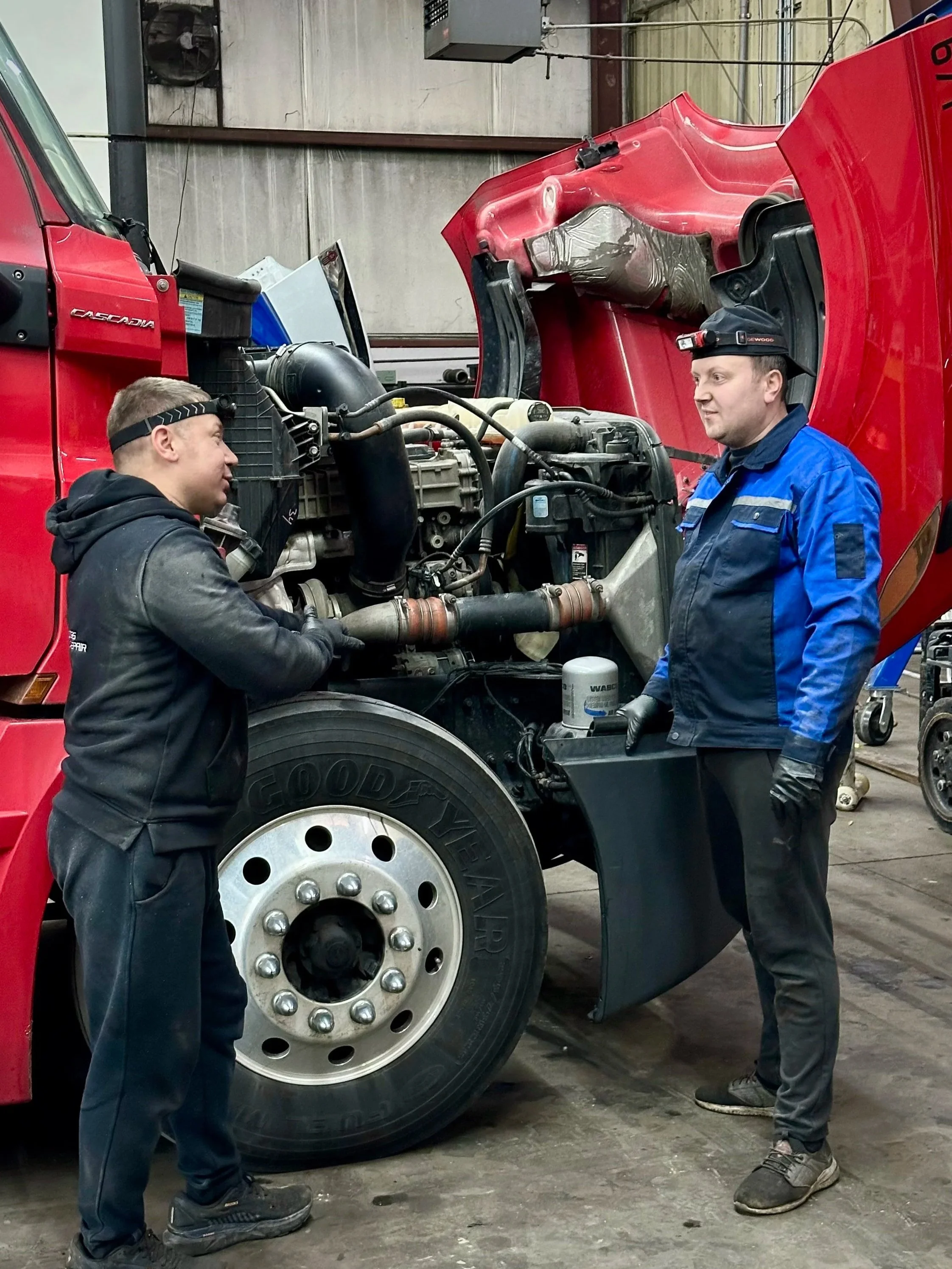
Two mechanics talking during the truck repair
For decades, truck repair was judged almost exclusively by technical skill.
If a shop could diagnose faster, wrench better, and get the truck back on the road, everything else was secondary.
That world no longer exists.
Today, communication is not a “soft skill” in truck repair - it is an operational requirement. Poor communication now directly affects downtime, compliance, costs, customer retention, and even safety scores.
As fleets become more data-driven and schedules tighter, the shops that win are not just the ones that fix trucks - they are the ones that communicate clearly, consistently, and professionally at every stage of the repair process.
The New Reality of Modern Truck Repair
Truck repair now sits at the intersection of:
• Fleet management software
• Compliance regulations
• Insurance and accident documentation
• Driver availability
• Parts supply chain delays
• Safety and audit readiness
In this environment, silence is expensive.
A missed update can delay dispatch.
A vague estimate can break trust.
A misunderstood repair scope can turn into a billing dispute.
Technical excellence without communication is no longer enough.
Communication Directly Impacts Downtime
Downtime is not just about how fast a wrench turns.
It is about how fast decisions are made.
Clear communication allows fleet managers to:
• Approve repairs faster
• Adjust dispatch plans in real time
• Decide between repair vs replacement
• Coordinate drivers and spare units
According to research from the American Transportation Research Institute, unscheduled maintenance remains one of the most costly sources of lost productivity for fleets.
When a shop communicates clearly about:
• Diagnosis
• Repair timeline
• Parts availability
• Unexpected findings
Downtime becomes predictable instead of chaotic.
Predictability is what fleet managers value most.
Compliance Depends on Clear Documentation
Modern repairs are no longer isolated mechanical events.
They are compliance events.
Regulators such as the Federal Motor Carrier Safety Administration require accurate maintenance records, repair histories, and documented corrective actions.
Poor communication leads to:
• Incomplete work orders
• Missing documentation
• Conflicting repair notes
• Audit vulnerabilities
Clear written and verbal communication ensures that:
• Repairs are traceable
• Safety issues are documented
• Inspections don’t turn into violations
In a world of digital audits and electronic records, “we fixed it” is not enough.
You must be able to prove what was fixed, why, and how.
Accident Repair Raises the Stakes Even Higher
After an accident, communication becomes critical.
Insurance companies, fleet managers, drivers, and sometimes legal teams all rely on accurate, consistent information.
When communication breaks down, the results are predictable:
• Delayed claims
• Disputed damage scope
• Repair authorization delays
• Increased out-of-service time
Clear communication during bodywork and collision repair ensures:
• Accurate damage assessments
• Transparent repair plans
• Proper photo and report documentation
• Faster insurance approvals
In post-accident repair, communication often matters as much as the repair itself.
Technicians Are No Longer Isolated From Customers
The old model was simple:
Mechanics fixed trucks. Someone else talked to customers.
That model is disappearing.
Today’s repair environment requires technicians to:
• Explain findings clearly
• Flag safety-critical issues
• Communicate unexpected delays
• Coordinate with service advisors
This does not mean mechanics must become salespeople.
It means they must communicate professionally, accurately, and efficiently.
The shops that invest in communication training for technicians see:
• Fewer misunderstandings
• Better internal workflow
• Higher customer trust
• Stronger team leadership pipelines
Communication Reduces Cost Disputes
Most cost disputes do not start with pricing.
They start with expectations.
When a customer hears:
“This will take a day.”
And the reality becomes:
“Three days waiting on parts.”
Trust erodes.
Clear communication from the start - including:
• Realistic timelines
• Known risks
• Parts availability
• Possible secondary repairs
Reduces friction and billing disputes dramatically.
Transparency is cheaper than conflict.
Safety Culture Is Built on Communication
Organizations like the Commercial Vehicle Safety Alliance emphasize consistent maintenance and safety standards across fleets.
A shop that communicates safety concerns clearly:
• Prevents repeat failures
• Reduces roadside violations
• Protects drivers
• Protects fleet CSA scores
Safety issues that are not communicated clearly tend to come back - usually during an inspection or breakdown.
The Future of Truck Repair Is Relationship-Driven
As trucking moves into 2026 and beyond, repair shops are no longer just vendors.
They are:
• Operational partners
• Compliance allies
• Risk-reduction resources
Fleet managers remember:
• Who kept them informed
• Who answered calls
• Who explained problems clearly
• Who didn’t disappear when issues arose
In a competitive market, communication is often the deciding factor between:
“One-time repair” and “Long-term fleet relationship”
What This Means for Truck Repair Shops
To stay competitive, shops must treat communication as a core operational system - not an afterthought.
That means:
• Clear intake processes
• Structured repair updates
• Accurate documentation
• Trained service advisors
• Technicians supported with proper reporting tools
The shops that invest here will outlast those that rely on technical skill alone.
Bottom Line
Great repairs keep trucks moving.
Great communication keeps businesses running.
In modern truck repair, communication is no longer optional - it is the difference between chaos and control, between disputes and trust, between downtime and efficiency.
The future belongs to repair shops that understand this - and act on it.
Ready for a Repair Partner That Communicates Clearly?
In today’s trucking environment, repairs are not just about fixing equipment - they’re about maintaining uptime, compliance, and trust.
At Sounders Truck Repair, we believe communication is as critical as technical skill. That means:
• Clear diagnostics
• Transparent repair timelines
• Proactive updates
• Accurate documentation
• No surprises
Whether you manage a single truck or an entire fleet, working with a repair shop that communicates clearly helps you reduce downtime, control costs, and plan with confidence.
Contact Sounders Truck Repair here to discuss your maintenance, bodywork, or accident repair needs - and see what a professional, communication-driven repair process looks like.